

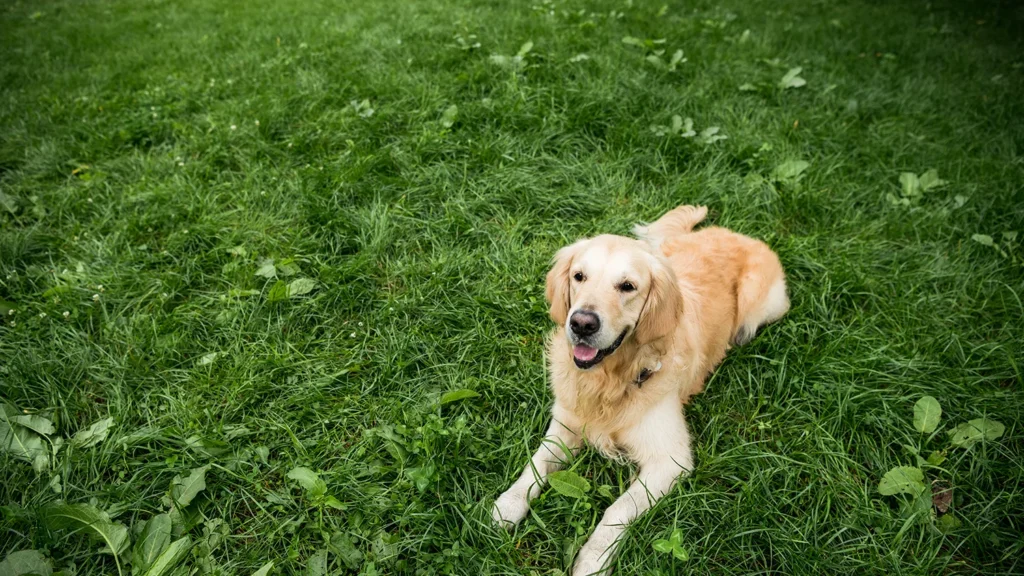
As the snow melts and the mid-March sun begins to peek through the clouds, many homeowners in our area are met with a less-than-pleasant surprise: a lawn that looks more like a patchwork quilt of brown spots than a lush green carpet. If you share your home with furry friends, those surprises are often concentrated in specific areas. Achieving a total lawn rejuvenation after a long winter requires more than just a little water. It demands a strategic approach to repairing the salt and nitrogen damage left behind by your pets.
At Lawngevity, we know that your pets are family, but their bathroom habits can be tough on your turf. This guide will walk you through why this damage happens, how to assess it by mid-March, and the exact steps needed to bring your yard back to life.
Why Does Winter Leave My Lawn Looking So Rough?
Winter is a period of dormancy for grass, but it is a period of high activity for the chemicals that cause damage. When your dog uses the same patch of grass all winter, the nitrogen in their urine doesn’t dissipate as it would during the growing season. Instead, it sits on the frozen ground or within the dormant root system.
When the ground finally thaws in March, you are left with urine burn. Because the grass wasn’t growing, it couldn’t process the nitrogen, leading to those telltale yellow or brown circles. Additionally, the physical traffic of paws on frozen, brittle grass blades can cause physical breakage and soil compaction.
Assessing the Damage: What to Look for in Mid-March
By mid-March, the ground is usually soft enough to see the extent of the winter’s toll. Look for these three primary signs that your yard is a candidate for professional intervention:
- Nitrogen Burn: Circular brown or yellow spots where the grass is completely dead in the center, sometimes surrounded by a ring of very dark, fast-growing green grass.
- Snow Mold: Matted, crusty patches of grass that may look gray or pink. While not caused by pets, pet traffic can exacerbate these areas by compacting the snow.
- Salt Damage: If you used de-icing salts near your pet’s potty zone to keep things safe for walking, that salt may have leached into the soil, dehydrating the grass roots.
Steps for Successful Lawn Rejuvenation
Repairing a pet-damaged lawn isn’t a one-and-done task. It requires a sequence of steps designed to neutralize the soil and encourage new growth.
1. Flush the Area
The first step in any lawn rejuvenation project involving pet damage is to dilute the concentrated nitrogen and salts. Once the ground is no longer frozen, heavily water the affected brown spots. This helps move the excess urea deeper into the soil profile, where it’s less toxic to the surface roots.
2. Rake Away the Dead Thatch
Gently rake the brown spots to remove dead grass blades. This allows sunlight and oxygen to reach the soil surface. Be careful not to pull up healthy grass; you just want to clear the debris so your new seeds have direct soil contact.
3. Neutralize the Soil pH
Dog urine is highly acidic. To help the grass recover, you may need to apply a soil amendment like lime or a specialized pet-spot neutralizer. This balances the pH level, creating an environment where new grass seeds can actually survive.
4. Aeration and Overseeding
For lawns with widespread damage, a simple spot repair might not be enough. Professional core aeration pulls small plugs of soil out of the ground, relieving compaction caused by winter foot (and paw) traffic. Following this with high-quality overseeding ensures that bare spots are filled with resilient, pet-friendly grass varieties.
Choosing the Right Grass Seed for Lawn Rejuvenation
Not all grass is created equal when it comes to standing up to Fido. When looking to perform lawn rejuvenation, we often recommend specific blends:
- Tall Fescue: Known for its deep root system and durability. It handles nitrogen better than many other species.
- Perennial Ryegrass: It germinates quickly, making it great for filling in bare spots before weeds can take over.
- Kentucky Bluegrass: While beautiful, it can be more sensitive to urine, so it is best used in a blend rather than on its own.
To understand more about the biology of how different plants handle nitrogen, you can check out these turfgrass science resources to see how soil health impacts plant resilience.
Prevention: Keeping the Green All Year
While we are experts at fixing the damage, we also want to help you prevent it. Once your lawn is back to its lush, green state, consider these tips:
Create a Designated Pet Zone
If possible, train your dog to use a specific area of the yard covered in clover (which is more resistant to nitrogen) or pea gravel. This keeps the high-traffic burn limited to one manageable area.
Hydration is Key
Encouraging your dog to drink more water dilutes the nitrogen in their urine. Always have fresh water available, especially after they’ve been active.
Professional Maintenance
The best defense against pet damage is a healthy, thick lawn. A dense root system can withstand more stress than a thin, neglected lawn. Regular fertilization, weed control, and seasonal checks from a professional service like Lawngevity ensure your grass has the nutrients it needs to fight back against puddles and paws.
Why Professional Help Matters for Lawn Rejuvenation
It’s tempting to grab a bag of patch-and-repair from a big-box store, but those products are often one-size-fits-all. They may contain grass species that don’t match your existing lawn, leading to a polka-dot look once the grass grows in.
A professional lawn rejuvenation service assesses your specific soil type, the amount of shade in your yard, and the severity of the damage to provide a custom solution. We use commercial-grade seeds and soil conditioners that aren’t available at retail outlets, ensuring your lawn doesn’t just turn green, but stays green.
Summary of the Mid-March Checklist for Lawn Rejuvenation
| Task | Benefit |
| Deep Watering | Dilutes nitrogen and salts. |
| Light Raking | Removes thatch and allows seed-to-soil contact. |
| Soil Testing | Determines if the pH is too acidic from urine. |
| Overseeding | Fills in bare patches to prevent weed growth. |
Ready for a Lush, Green Summer?
Don’t let your dog’s winter habits dictate the beauty of your home this spring. By mid-March, the clock is ticking to get your soil prepared for the peak growing season. Whether you are dealing with a few stubborn brown spots or a backyard that needs a total overhaul, the team at Lawngevity is here to help.
We specialize in bringing tired, damaged lawns back to life with proven techniques and a passion for local landscapes. Let us handle the science of soil chemistry while you enjoy the sunshine with your four-legged friends.
Don’t wait until the weeds take over those bare spots! Contact Lawngevity today for a free lawn evaluation and start your professional lawn rejuvenation journey!