

As autumn approaches, many homeowners notice an increase in bug and spider activity around doors, windows, and basements. Changing temperatures, shorter days, and shifting weather drive fall insects in Utah toward warm, sheltered structures. Understanding these seasonal habits is essential for effective fall pest control.
Effective fall pest control begins with identifying why pests are attracted to your home and how they find their way inside. While exterior treatments play a major role in keeping pests out, establishing a complete home defense involves combining professional pest management with preventative home maintenance.
Why Activity Changes in Autumn
During the autumn season, cooler evening temperatures prompt many pests to seek heat sources and overwintering spots. Common fall insects in Utah, such as boxelder bugs, elm seed bugs, ants, earwigs, and beetles, naturally aggregate around south- and west-facing exterior walls where warmth lingers long after sunset.
Additionally, autumn is the peak season for spider control in Salt Lake City and across Utah. As prey insects cluster around exterior lights, window wells, and foundation vents, predatory spiders follow closely behind to hunt and mate, resulting in increased web building and indoor sightings.
A sudden surge in pest activity signals the need for a thorough perimeter inspection. Identifying specific species helps determine whether targeted chemical treatments, structural sealing, or moisture remediation will provide the best protection.
Check Doors and Thresholds
Exterior doors are primary entry points for crawling pests. Inspect weatherstripping and door sweeps regularly to ensure a tight seal against ground-level gaps where bugs can crawl through.
Pay close attention to garage doors, sliding patio doors, and basement service entrances. Repair damaged window and door screens immediately to block airborne pests and leaping insects.
Keep entryway zones organized and free of clutter. Cardboard boxes, stacked firewood, and potted plants placed near thresholds offer ideal hiding spots for pests right outside your living areas.
Inspect Window Wells and Foundation Gaps
Window wells act as natural traps for falling leaves, excess moisture, and migrating insects. Regularly clear out organic debris and ensure drainage channels and well covers are fully intact.
Examine your home’s exterior foundation for unsealed utility penetrations, gas line gaps, and vent surrounds. Apply appropriate silicone caulk or masonry sealant to close these pathways without obstructing necessary ventilation.
Avoid sealing unfamiliar gaps that serve as structural weep holes or ventilation points. For major foundation cracks or persistent water intrusion, consult a qualified specialist before applying seals.
Reduce Hiding Places Beside the House
Dense vegetation, thick mulch beds, and leaf piles resting against exterior siding create humid harborages for pests. Maintaining a clean barrier around your foundation reduces pest pressure near walls.
Store firewood, lumber, and outdoor storage bins at least 20 feet away from the home and elevated off the ground. Prune shrubbery and tree branches so they do not touch siding, rooflines, or window frames.
Fix leaky hose bibs, adjust sprinkler heads pointing toward the foundation, and clear rain gutters. Preventing moisture buildup helps maximize the durability and performance of your overall fall pest control program.
Understand What Foundation Treatments Do
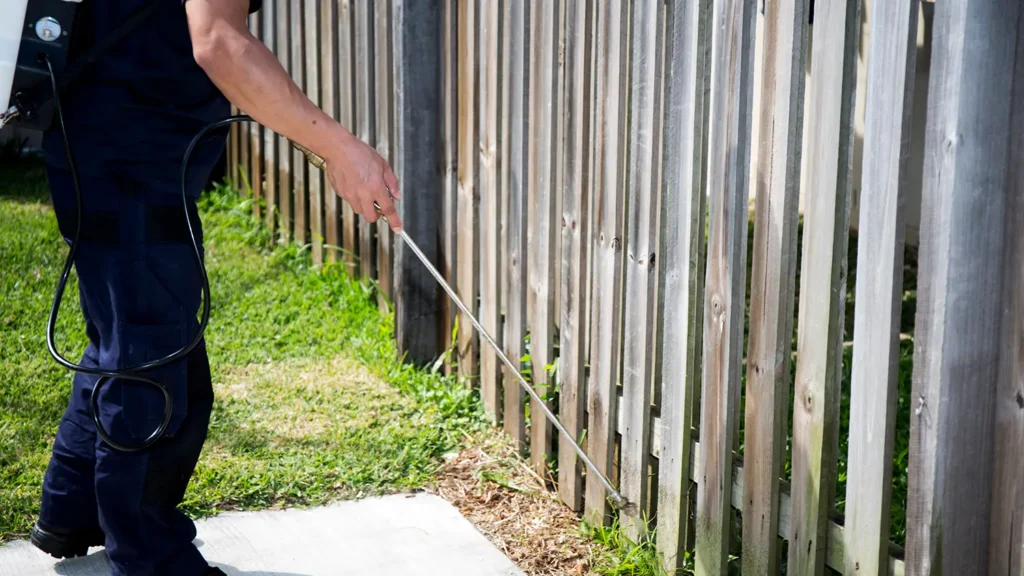
Professional perimeter pest control involves applying targeted treatments along the exterior foundation, eaves, doors, and window perimeters to intercept pests before they enter.
Creating an invisible home insect barrier provides continuous outdoor defense against crawling insects. Professional foundation insect control treatments significantly lower exterior pest populations near primary entry points.
Lawngevity’s targeted maintenance program protects homes against spiders, ants, earwigs, fleas, ticks, and beetles. Combining professional perimeter pest control with routine property maintenance ensures long-lasting pest prevention through every season.
Why Exterior Prevention Can Help
Focusing on exterior preventative treatments stops pests outside, minimizing the need for interior spray applications. A comprehensive property evaluation helps locate conditions that attract bugs before infestations take root indoors.
Consult your pest specialist regarding targeted treatment areas, application safety, and recommended dry times. Always follow product guidelines regarding pet safety and family reentry intervals.
If pests are already present inside your living space, inform your service technician. A balanced plan combining exterior barrier protection with interior inspection provides complete year-round control.
Avoid Treating Every Sighting the Same
Occasional outdoor pests near porch lights differ from recurring indoor activity or widespread window well infestations. Taking clear photos of unexpected pests helps technicians apply the most effective treatment strategy.
Many local arachnid species provide natural pest suppression by feeding on harmful insects. When evaluating options for spider control in Utah, focus on target control around entry points while maintaining a safe, pest-free living space.
A customized treatment strategy outlines exact service zones, monitoring steps, and practical sanitation habits for optimal results.
Plan Prevention Around Your Home
Contact Lawngevity for a free estimate to discuss complete perimeter pest control solutions tailored to your property. Pairing professional treatment with moisture management and structural sealing creates a durable barrier for your home throughout the fall season.
Frequently Asked Questions
Why do spiders seem more noticeable in fall?
In autumn, spiders reach full maturity and actively search for mates and prey. Combined with cooler temperatures driving insects toward warm structure perimeters, spider sightings increase significantly. Professional spider control in Utah helps manage these populations effectively.
What insects gather around Utah homes in autumn?
Common fall insects in Utah include boxelder bugs, elm seed bugs, stink bugs, ants, earwigs, and various household insects seeking sheltered places to overwinter.
What is a foundation insect barrier?
A home insect barrier is a targeted exterior application around foundation walls, thresholds, and entry points. It works alongside foundation insect control to prevent crawling pests from entering your living space.
Where should I check for entry points?
Inspect exterior door sweeps, window well seals, garage door trim, utility pipe penetrations, dryer vents, and foundation expansion joints for unsealed gaps.
When should fall perimeter treatment be applied?
Schedule your fall pest control treatment in late summer or early autumn before freezing temperatures drive insects indoors to establish winter harborages.