

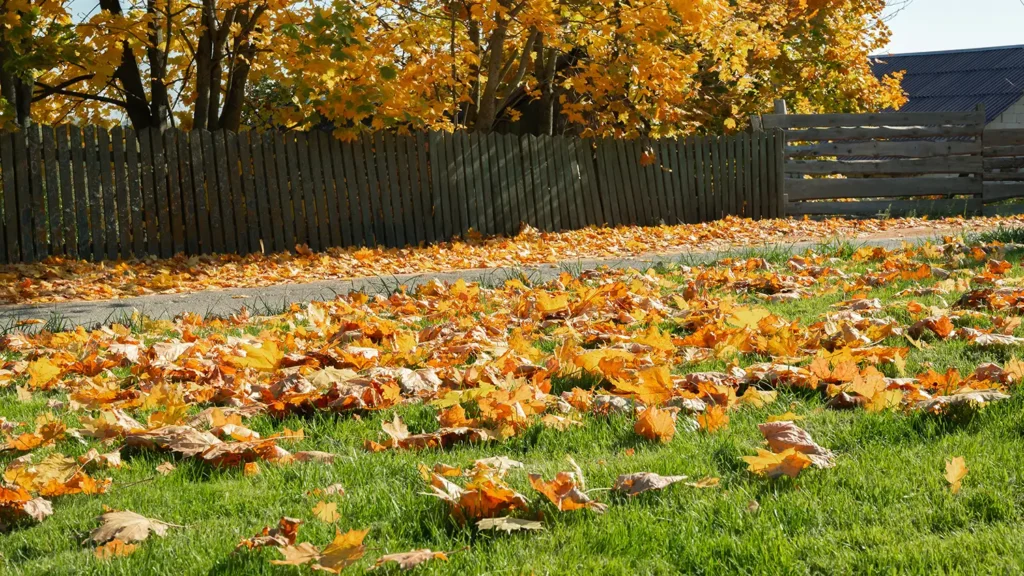
By the end of a Utah summer, your lawn may look worn out.
The grass along the sidewalk has turned brown. The spot where the kids play looks thinner than it did in May. Even with regular watering, some areas just haven’t bounced back.
Early fall gives your grass a chance to recover. Cooler weather helps the cool-season grasses common along the Salt La resume growth, making fall lawn fertilization an important part of getting your yard ready for winter.
At Lawngevity, we help homeowners care for their lawns through Utah’s changing seasons. Here’s why fall feeding matters and what to check before scheduling a treatment.
Why Utah Lawns Benefit from Fall Fertilization
Kentucky bluegrass and fescues grow well in cooler weather. During a hot, dry summer, their growth can slow considerably. Some grass goes dormant, while heavily stressed areas may thin out or die.
Once temperatures ease and adequate moisture is available, surviving grass can start growing again. Fertilization provides nutrients to support that recovery. It can help a thin lawn rebuild its density and recover from the wear that comes with using your backyard.
That recovery takes time. Waiting until winter is almost here leaves less opportunity to address damage while the lawn is actively growing.
Root Growth and Winter Reserves
There’s more happening in your lawn than you can see from the porch.
Properly timed fall fertilization supports root development as well as growth above ground. As the season progresses, grass also builds reserves that help it through winter and support growth when spring arrives. These reserves include stored nutrients and carbohydrates, which are the energy the plant produces through photosynthesis.
Later fall feeding can help the lawn maintain its color and green up earlier the following spring. It should be timed while the grass is still green and the soil remains unfrozen.
When Should You Fertilize Your Lawn in Utah?
For cool-season lawns along the Wasatch Front, September is a useful starting point for fall fertilization. Utah State University Extension’s northern Utah calendar includes September feeding and a later application in November, with adjustments for weather conditions.
The two applications serve different purposes. Early fall feeding supports recovery while the grass is growing. A later treatment can help prepare it for winter and the following spring.
Your lawn’s condition matters, too. If it is still dry and dormant after a stretch of hot weather, address the moisture problem before adding fertilizer. Feeding stressed grass won’t make up for a sprinkler that isn’t reaching it.
Elevation also affects timing. A yard near the foothills may cool down sooner than one lower in the Salt Lake Valley. Warm-season grasses need a different schedule from bluegrass or fescue. Effective lawn fertilization in Utah follows the grass and local conditions rather than a date alone.
Signs Your Lawn May Need More Help After Summer
Some summer browning improves once cooler weather and adequate watering return. Other areas need a closer look.
Brown patches that stay brown deserve attention, especially when the surrounding grass has started recovering. Before assuming they need fertilizer, run your sprinklers and watch their coverage. A blocked or misaligned head can leave one section dry all summer.
Thin grass or bare soil may point to damage that feeding alone cannot repair. Fertilizer supports living grass. It cannot bring dead plants back, and severely damaged spots may need seed or sod.
Patches that keep spreading can indicate an insect or disease problem. Grass that lifts easily from the soil may have damaged roots and should be inspected before treatment.
Take a few photos as you notice changes. Seeing whether a patch is shrinking or getting larger can help when you discuss the problem with a lawn care professional.
Our lawn care services include fertilization, weed control, insect control, and lawn disease control. Choosing the right lawn treatment for your Utah yard starts with understanding what is causing the trouble.
Choose Fertilizer Based on What Your Lawn Needs
A bag labeled “winterizer” doesn’t tell you everything you need to know.
Nitrogen is the nutrient Utah lawns most often need added. Phosphorus and potassium may already be present in sufficient amounts, so adding more isn’t automatically better for your grass. A soil test can help determine whether either is needed.
The lawn’s use also affects its fertilizer needs. A backyard used daily for play may need more support for recovery than a front lawn that gets little foot traffic. Previous applications matter as well.
At Lawngevity, we customize applications to the lawn rather than treating every yard the same. Our fertilization and weed control program includes custom fertilizer with iron, with notification before each application.
Help Your Fall Treatment Do Its Job
Fertilization works best alongside good lawn care habits. A few adjustments now can help your grass make use of the treatment.
Keep Watering, but Adjust for Cooler Weather
Your lawn generally needs less irrigation in fall than it does in July. Reduce watering as temperatures drop and account for rainfall, while checking that the soil around the roots still has adequate moisture.
After an application, follow the watering instructions for that specific treatment. Fertilizer and weed control products can have different requirements. Our Utah watering and sprinkler management guide offers more help with spotting dry areas and checking coverage.
Keep Mowing While the Grass Grows
Cooler weather can bring renewed growth, so don’t put the mower away just because summer is over. Avoid removing more than one-third of the blade length in a single mowing. Cutting an overgrown lawn down all at once adds stress when you’re trying to help it recover.
Check for Compacted Soil
If the ground is hard where people regularly walk or play, compaction may be limiting root growth and water movement. Core aeration removes small plugs of soil to help relieve that problem. Early fall can be a good time to aerate cool-season grass while it is actively growing.
Avoid Adding More Fertilizer to Fix Every Brown Spot
It’s tempting to give a struggling lawn an extra dose and hope for a quick improvement. Too much fertilizer can damage the grass, though, and it won’t correct poor watering or an untreated pest problem.
If you’re applying fertilizer yourself, measure the lawn area and follow the label rate. Take earlier feedings into account. Avoid applying to frozen ground, when nutrients can run off instead of benefiting the lawn.
If your lawn already receives professional treatments, ask about its fall schedule before adding a separate product. You may already have the feeding it needs planned.
Get Your Lawn Ready for the Season Ahead
You don’t have to wait until spring to deal with a lawn that struggled through summer. Fall gives you time to support recovery and find out why certain areas still look unhealthy.
Lawngevity has been caring for lawns along the Wasatch Front since 1988. Our team provides fertilization and lawn care services suited to local conditions, with treatments based on your yard’s needs.
Whether you need a fall fertilizer application or solutions for stubborn brown spots, contact Lawngevity for a free estimate. We’ll help you get your lawn ready for winter and healthy growth next spring.