

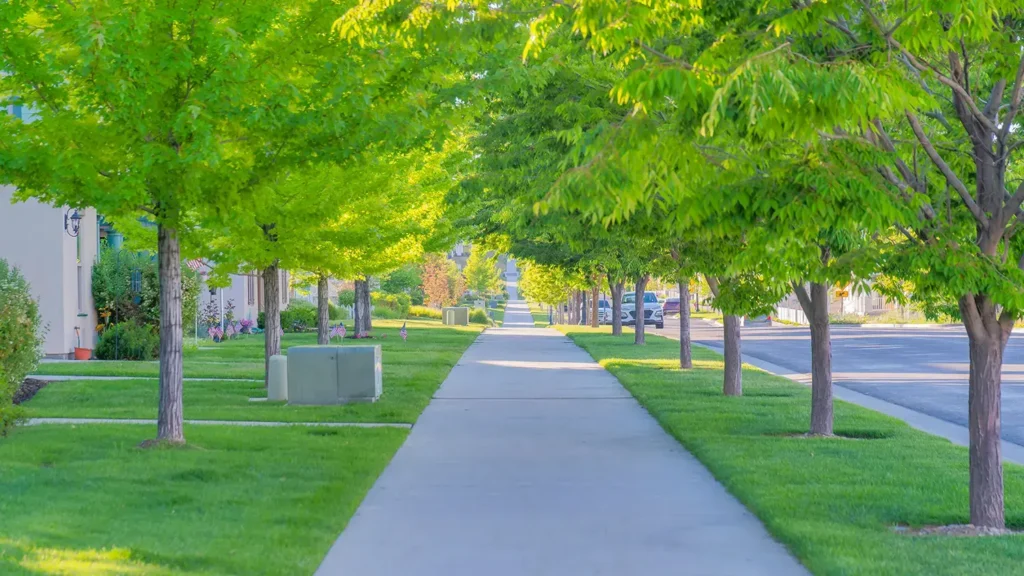
Summer brings long days, backyard barbecues, and plenty of sunshine. But while you are soaking up the rays, your landscape might be struggling to cope with the intense heat. When temperatures skyrocket, your trees face an uphill battle to stay hydrated and healthy. One of the most common and damaging issues they encounter during the hottest months is a condition known as scorch.
At Lawngevity, we want to help you keep your canopy lush, green, and vibrant all season long. Let us dive into what this condition is, how to spot it, and why increased watering is needed for your trees as the ultimate defense against the summer heat.
What Exactly is Tree Scorch?
To protect your trees, you first need to understand what you’re up against. Leaf scorch is not caused by a biological pathogen like a fungus or bacteria. Instead, it’s a physiological condition that occurs when a tree loses moisture through its leaves faster than its root system can absorb it from the soil.
Think of a tree like a giant straw. Under normal conditions, water moves seamlessly from the soil, up through the trunk, and out to the leaves, where it evaporates in a process called transpiration. When the summer heat intensifies, transpiration speeds up dramatically. If the soil is dry or the root system is stressed, the straw runs dry. The outer edges of the leaves are the furthest away from the water source, so they are the first to dry out, wilt, and turn brown.
Signs Your Trees Are Suffering from Summer Heat
You don’t have to be an experienced arborist to spot the warning signs of a stressed tree. If you catch the symptoms early, you can take corrective action before long-term damage occurs. Keep an eye out for these common red flags:
- Browning Leaf Margins: The most classic sign of scorch is a distinct yellowing or browning along the outer edges of the leaves or between the veins.
- Premature Leaf Drop: In an effort to conserve moisture, a stressed tree might start shedding its leaves in July or August, mimicking early autumn.
- Curling or Wilting: Leaves may begin to cup, curl inward, or droop listlessly, even during the cooler morning hours.
- Brittle Foliage: Healthy summer leaves should feel pliable. If they feel crunchy or brittle to the touch, they are severely dehydrated.
Why Increased Watering Needed is the Golden Rule
When it comes to preventing and treating scorch, there is no magic spray or quick-fix fertilizer. The remedy comes down to proper hydration. Understanding that there is an increased watering need during peak summer months is the most critical step you can take for your landscape.
However, simply turning on the sprinkler for ten minutes won’t cut it. Shallow watering encourages shallow root growth, which actually makes your trees more vulnerable to heat stress in the long run. To truly combat scorch, you need to practice deep watering.
How to Deep Water Your Trees to Effectively Combat Scorch
Deep watering ensures that moisture reaches the entire root zone, which typically extends well past the tree’s drip line (the perimeter of the outermost branches). Here’s how to do it right:
- Use a Soaker Hose or Drip Line: Lay a soaker hose in a spiral pattern around the tree, starting a few feet away from the trunk and extending to the drip line.
- Turn the Pressure Down: Run the water at a slow, steady trickle. This allows the moisture to seep deep into the soil rather than running off the surface.
- Check the Depth: Ideally, you want to moisten the soil to a depth of twelve to eighteen inches. You can check this by pushing a long screwdriver or soil probe into the ground; it will move easily through wet soil and stop when it hits dry dirt.
More Ways to Protect Your Landscape from Scorch This Summer
While a smart watering routine is your primary line of defense, a holistic approach to tree care will yield the best results. Here are a few extra tips from the team at Lawngevity to help your trees thrive when the weather gets tough.
Add a Layer of Mulch
Mulch is a lifesaver for trees during a hot summer. A three-inch layer of organic mulch (like wood chips or bark) insulated the soil, keeping it cooler and drastically reducing water evaporation. Just make sure to keep the mulch a few inches away from the tree trunk to prevent moisture buildup against the bark, which can invite pests and rot.
Skip the Mid-Summer Fertilizer
It might be tempting to feed a struggling tree, but applying fertilizer during a heatwave can do more harm than good. Fertilizer stimulates new, tender growth that requires even more water to sustain, exacerbating the risk of scorch. Save the nutrients for the spring or autumn when the weather is mild.
Hold Off on Heavy Pruning
Pruning opens up the tree’s canopy, exposing previously shaded inner leaves to direct sunlight and increasing the likelihood of sunburn and scorch. Unless you are removing dead, diseased, or dangerous branches, leave the pruning tools in the shed until the dormant season.
Let the Experts Help You Keep Your Yard Green
Caring for mature trees and delicate saplings during a scorching summer can feel overwhelming. Every species has unique water requirements, and soil types play a massive role in how moisture is retained. If you are worried about the health of your landscape, Lawngevity is here to support you. From custom irrigation advice to comprehensive plant health care, we can ensure your yard stays resilient all year round. Get in touch with us today to learn more about keeping your property beautiful, healthy, and hydrated.