

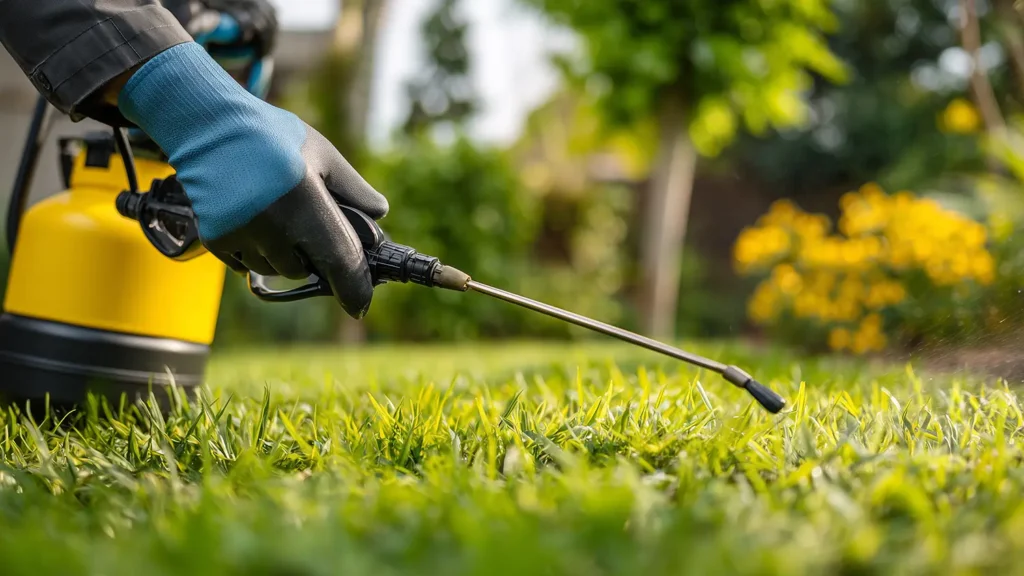
As summer arrives in full force, homeowners everywhere are looking forward to vibrant green grass, thriving flowerbeds, and long afternoons spent enjoying the great outdoors. There is nothing quite like looking out your window to see a lush, healthy lawn framing your property. However, summer also brings an influx of unwelcome visitors. The warmth and humidity that make your grass grow also trigger a massive surge in pest activity. If you want to keep your home comfortable and your family safe this season, investing in professional foundation insect control is one of the most critical steps you can take.
While many people focus entirely on spraying their perimeter walls or treating inside their kitchens, true pest prevention starts at the very boundary where your landscape meets your home’s structure. Insects are constantly searching for moisture, shade, and food. When the summer sun beats down on your lawn, the soil around your foundation becomes a prime highway for bugs trying to escape the heat. By understanding how these pests behave and implementing a robust defensive barrier, you can enjoy a gorgeous yard and a pest-free home all summer long.
Why Summer Demands Foundation Insect Control
When temperatures skyrocket, the ecosystem in your yard shifts dramatically. The top layers of soil dry out, beneficial predators multiply, and many insect species enter their peak breeding cycles. As their populations explode outside, your climate-controlled home becomes an incredibly attractive oasis.
Insects don’t need a wide-open door to invade your living space. Microscopic cracks in your concrete foundation, gaps around basement windows, and tiny spaces where utility lines enter your home are more than wide enough for an army of ants, spiders, or centipedes. This is why a proactive application of foundation insect control is so vital during the hotter months. Instead of waiting for pests to settle into your walls or pantry, a foundation treatment establishes an invisible, highly effective chemical perimeter that intercepts pests before they ever find an entry point.
Common Summer Pests Targeting Your Foundation
To understand why defensive treatments are so necessary, it helps to look at the specific culprits trying to breach your home’s perimeter during the summer.
Ants on the March
Ants are highly organized and relentlessly industrious during the summer. When colonies outgrow their outdoor nests, scout ants fan out in search of new water and sugar sources. A foundation that isn’t properly treated acts as an open invitation for these scouts to explore your kitchen. Once a single ant finds a crumb, it leaves a pheromone trail for thousands more to follow.
Spiders Seeking Shelter
While most outdoor spiders are excellent for natural pest control in your garden, nobody wants them spinning webs in their bedrooms or basements. Wolf spiders, house spiders, and more dangerous species like black widows often seek out the cool, dark crevices near a home’s foundation.
Perimeter Invaders: Earwigs, Centipedes, and Millipedes
These multi-legged critters thrive in damp environments. Mulch beds, decaying leaves, and dense groundcover right next to your home provide the perfect habitat. When summer storms hit or when the midday sun dries out their hiding spots, they will migrate upward into your home through the lowest entry points they can find.
The Landscape Connection: How Your Lawn Affects Pest Pressure
Many homeowners do not realize that their landscaping choices directly affect the volume of pests knocking on their doors. Your lawn and your foundation do not exist in isolation; they are part of a continuous ecosystem.
Mulch and Soil Management
Mulch is fantastic for retaining moisture around your plants, but that exact same moisture attracts bugs. If your mulch is piled directly against your siding or foundation blocks, you are essentially building a bridge for insects. Keeping a clean, clear gap of at least six inches between your landscaping beds and your home’s structure makes it much harder for bugs to cross unseen.
Overwatering and Drainage Issues
An overwatered lawn creates pooling water and perpetually soggy soil. Pests require water to survive, and a damp foundation is a magnet for mosquitoes, roaches, and termites. Ensuring your gutters drain away from the house and keeping your lawn irrigation calibrated correctly will significantly reduce pest pressure.
How to Implement Effective Foundation Insect Control
Creating a bulletproof barrier requires a blend of physical maintenance and strategic treatments. Here is how you can establish a strong defense this summer.
Step 1: Seal Physical Entry Points
Before applying any treatments, take a walk around your home’s exterior. Inspect the foundation for hairline cracks, look for gaps in the mortar, and check the weatherstripping around ground-level doors and windows. Use a high-quality silicone caulk to seal these openings.
Step 2: Establish a Chemical Barrier
True foundation insect control involves applying a specialized, residual insecticide formula around the entire perimeter of your home. This treatment should typically extend three feet up the exterior wall and three feet out into the soil or landscaping beds. This creates a six-foot “band of protection” that pests cannot cross without coming into contact with the treatment.
Because summer UV rays and heavy rain can break down these protective barriers over time, these treatments must be applied using professional-grade, weather-resistant formulas and reapplied at regular intervals throughout the season to remain completely effective.
The Lawngevity Difference: Protecting Your Home from the Ground Up
Achieving a beautiful, healthy yard shouldn’t come at the cost of your indoor peace of mind. At Lawngevity, we believe that comprehensive lawn care encompasses everything from the health of your roots to the safety of your home’s interior.
Our team doesn’t just look at your grass; we analyze the entire perimeter of your property. We apply targeted, environmentally responsible foundation treatments that sync perfectly with your mowing and fertilization schedules. By trusting professionals, you ensure that the barriers are applied safely, thoroughly, and at the exact concentration needed to repel summer’s toughest pests without disrupting your family or pets.
Furthermore, proper lawn maintenance naturally aids in pest reduction. For details on how to optimize your overall summer yard care, you can read about best practices for summer lawn care on Utah State University Extension’s website, which highlights how proper mowing heights and watering schedules can naturally deter pest infestations from taking hold in your turf.
Enjoy a Carefree Summer with a Protected Home
Your home is your sanctuary, and your lawn is your personal escape. Don’t let the threat of invading insects force you indoors or ruin your peace of mind this summer. By combining smart landscaping habits, physical sealing, and a robust seasonal pest barrier, you can keep the bugs exactly where they belong—outside.
Investing in a lush, green lawn is a point of pride, and protecting the structure that sits in the middle of that lawn is just as vital. With the right preventative measures in place, you can spend your summer focusing on backyard barbecues, family gatherings, and enjoying the beautiful weather.
Ready to Secure Your Home’s Perimeter?
Don’t wait for the summer heat to drive thousands of pests into your living room. Take control of your property today with the pros at Lawngevity! Our expert team is ready to design a customized protection plan that pairs a vibrant, healthy lawn with unbeatable foundation insect control.